Suicide Prevention: Recognising the Signs and Getting Help
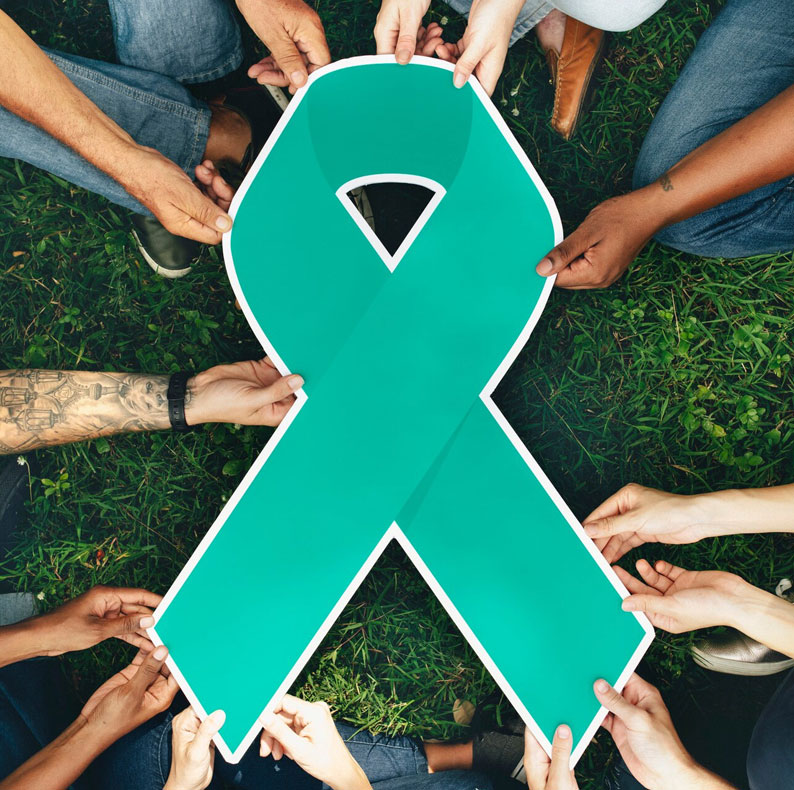
Suicide
is preventable. That single fact should shape how we talk about it, and it is
the reason this article exists. Most people who think about suicide do not want
to die. They want the pain to stop. With the right support, most of them
recover and go on to live full, meaningful lives.
At
Chiromo Hospital Group, we have walked alongside many people through the
darkest points of their lives. What we have learned is that three things make
the biggest difference: noticing the warning signs early, knowing how to
respond calmly, and connecting the person to help without delay. You do not
need to be a clinician to do any of these. You need to be willing to pay
attention and to speak up.
Recognising
the warning signs
People
rarely announce that they are thinking about suicide, but they often leave
clues. Some of these clues appear in what a person says. A friend might say,
“I wish I wasn’t here,” “I’m a burden to everyone,” or
“I can’t do this anymore.” Others sound like a quiet goodbye, such as
saying thank you in an unusual way, or giving away belongings that matter to
them. Some people ask about methods, or talk about death in a way that feels
different from their usual conversation.
Behaviour
can also change. A person who has always been social may start pulling away
from friends and activities. They might pay off debts early, tidy up their
affairs, or update a will out of nowhere. Sleep and appetite often shift,
sometimes dramatically. Alcohol or drug use may increase, and some people take
unusual risks. One sign that is easy to misread is a sudden calm or improvement
in mood after a long period of distress. It can look like recovery, but it can
also mean that a person has made a decision and feels relieved by it.
Underneath
these outward signs are emotional experiences that are often very painful.
Hopelessness is the most common, often expressed as “Nothing will ever get
better.” Others describe feeling trapped with no way out, intense
emotional pain, or a numbness that makes everything feel empty. Anger,
irritability, and agitation can also be present, especially in young people and
men.
Some
people carry a higher risk than others. Those who have attempted suicide
before, who live with depression, bipolar disorder, PTSD, or severe anxiety, or
who use alcohol or drugs, are more vulnerable. So are people who have recently
lost someone or gone through a major change, those who have experienced abuse,
trauma, or bullying, and people who feel socially isolated. Access to a method
of suicide is a significant risk factor, and so is belonging to a group that
faces additional stigma or pressure, including LGBTQ+ individuals, older
adults, and people working in high-stress professions. A risk factor does not
mean someone will act, but it is a reason to look more closely.
What to
do when you notice the signs
The
most important thing is to take the signs seriously. It is tempting to dismiss
a comment as dramatic or to assume the person will feel better tomorrow. Those
responses, however well meant, can make someone feel that their suffering is
not being heard. If a person tells you they are thinking about suicide, believe
them. Your calm, steady presence matters more than having the perfect words.
Then
ask directly. Many people fear that asking about suicide will put the idea into
someone’s head. Research and clinical experience show this is not true. Asking
gently and clearly, with a question such as “Are you thinking about
suicide?”, shows that you care and opens the door to an honest
conversation. For many people, being asked is a relief, because it means
someone has finally noticed. If they say yes, ask whether they have a plan. A
specific plan and access to the means to carry it out signal higher risk and
call for immediate action.
When
you talk with them, listen more than you speak. Resist the urge to argue them
out of their feelings or to explain why their life is worth living. Those
arguments rarely work, because the pain is usually louder than logic in that
moment. Instead, reflect what you hear: “I can see you are in a great deal
of pain, and I am glad you told me.” Acknowledge that this is serious and
that they deserve support. Avoid making promises you cannot keep, such as
promising to keep the conversation secret. And do not leave them alone if they
are in immediate danger.
Connecting them to help is
the next step. If the person is in immediate danger, call emergency services at
+254
203 971 000, or take them to the
nearest emergency room, and stay with them until help arrives. If the situation
is urgent but they are not in immediate danger, contact a mental health
professional right away, reach out to a trusted family member or friend, or
call the Chiromo Hospital Group Crisis Line at +254 203 971 000, which is available around the clock. Helping someone
reach this kind of support is one of the most meaningful things you can do.
The
conversation does not end when the crisis passes. Check in the next day. Keep
showing up in small, consistent ways. Encourage ongoing professional help, and
if the person has access to a method they might use, help them put distance
between themselves and it. Follow-up is often where people feel the difference
between being checked on and being genuinely supported.
If you
are the one having these thoughts
If
you are reading this and recognise yourself in it, please know that you are not
weak, and you are not broken. Suicidal thoughts are a sign of severe pain and
exhaustion, not a verdict on your worth. They can change. Many people who once
felt exactly as you feel now have moved past these thoughts with support, and
they are glad they did not act on them. Your life has value, even if you cannot
feel that right now.
The most important step is to
reach out to someone today. You can call a crisis line, speak with a doctor or
counsellor, or tell a friend, relative, or religious leader what you are going
through. You do not have to explain everything perfectly. Saying “I am not
safe” is enough to start. If you feel you might act on these thoughts, go
to the nearest emergency room now, or +254 203 971 000.
It
also helps to put some distance between yourself and anything you could use to
hurt yourself. If you have a plan and access to a method, ask someone you trust
to help you secure it or remove it. Many people also find it useful to write a
simple safety plan: the warning signs that a crisis may be building, the things
that have helped you cope before, the people or places that give you a break
from the thoughts, the people you can ask for help, and the professional and
crisis numbers you can call.
When
the thoughts arrive in the moment, try to ride the wave. Intense emotions tend
to peak and then fade, often within 15 to 30 minutes, especially if you do not
act on them. Bring your attention to the present by naming five things you can
see, four you can hear, three you can feel, two you can smell, and one you can
taste. Moving your body, even a short walk, can ease the intensity. Hearing a
familiar voice can help too, so call someone you trust. If certain people,
places, or substances make the thoughts worse, give yourself permission to step
away from them for now. And please keep in mind that therapy, medication, and,
when needed, a short hospital stay can make a real and lasting difference.
Supporting
someone who has been suicidal
If
someone you love has survived a suicidal crisis, your support still matters a
great deal. Believe in their recovery, even on the days when they cannot. Try
to avoid lectures or statements like “Why would you do that?” or
“You have so much to live for,” which can leave a person feeling more
ashamed and alone. Instead, be consistent. Call regularly, show up, and let
them know that you are there. Encourage them to keep up with professional help,
and try not to become their only source of support, because that can place an
unfair weight on both of you.
Learning
their warning signs will help you act early if things start to slip. Save
crisis numbers in your phone so you are not searching for them in a moment of
panic. And remember to look after yourself. Supporting someone through suicidal
thoughts is emotionally demanding, and it is important to have your own people
and your own support to lean on.
A shared
responsibility
Schools,
workplaces, faith communities, and other organisations can play a real part in
prevention. Training staff to recognise the signs and respond well, creating a
culture where mental health can be discussed without fear, and putting clear
crisis protocols in place all make a difference. Making sure that mental health
services are accessible is essential. Where it is possible, reducing access to
means of suicide also saves lives. This can mean securing medication, or
fitting protective barriers on high balconies and similar spaces.
Where to
find help
If
you or someone you know is in immediate danger, call the Chiromo Hospital Group
Emergency Line at +254 203 971 000, or come to the nearest Chiromo Hospital
Group facility.
CHG Support
• Call Emergency Line +254 203 971 000
Suicide
is preventable. Most people who have suicidal thoughts can recover with proper
support. If you are struggling, you are not alone, and help is available. Reach
out today. If you know someone who is struggling, take it seriously, ask them
directly, listen, and help them connect to support.
